
الغد ترافل

Siwa Oasis

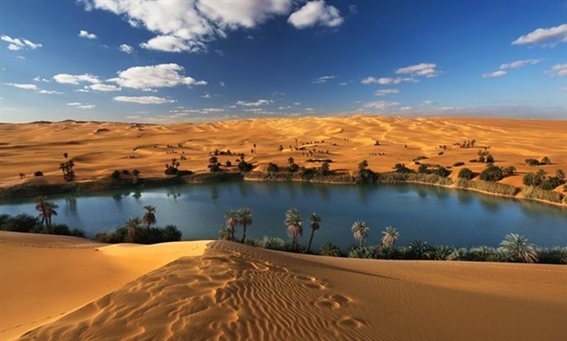
Siwa (in Tasawit: ⵉⵙⵉⵡⴰⵏ or isiwan) is an Egyptian city and oasis in the Western Desert, located about 300 km southwest of Marsa Matruh on the Mediterranean coast, and administratively part of Matruh Governorate. The area features wells and springs used for irrigation, drinking, natural water bottling, and therapeutic purposes, and it has four large lakes. Several archaeological sites have been discovered there, including the Temple of Amun, which witnesses the spring equinox phenomenon twice a year, and the Mountain of the Dead tombs.

A natural reserve has been declared in the area, covering 7,800 km², which includes various types of animal and plant life. The oasis is home to approximately 35,000 inhabitants, most of whom work in agriculture or tourism. The oasis experiences a desert continental climate, with extremely hot summers and warm days but very cold nights in winter.
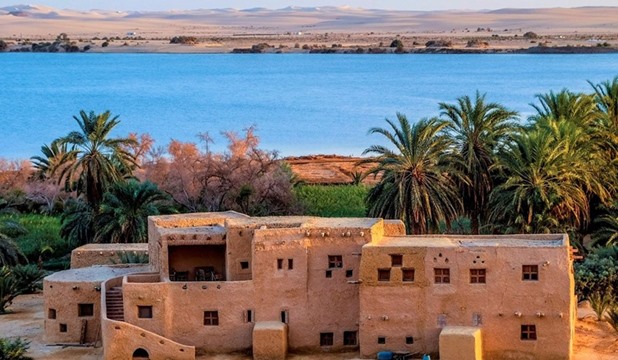
Siwa is famous for therapeutic tourism, as its sands contain natural elements suitable for alternative medicine. Safari trips using four-wheel-drive vehicles are also popular among visitors to the oasis. Some statistics indicate that Siwa receives around 30,000 tourists annually, both Egyptians and foreigners. Several international and Arab websites have ranked it among the nine most isolated places on Earth. The architecture in Siwa is distinctive, with traditional houses built from kershef stone—a mixture of salt, fine sand, and clay—and doors and windows made from olive and palm wood. Embroidery arts and handmade pottery are among the most notable traditional crafts of the oasis, including tajine plates and desert cooking pots with their traditional conical shape and decorative designs. Siwa residents celebrate a special festival, the Harvest Festival, which takes place on the full moon in October each year.